Travertine Is Everywhere in Palm Beach County
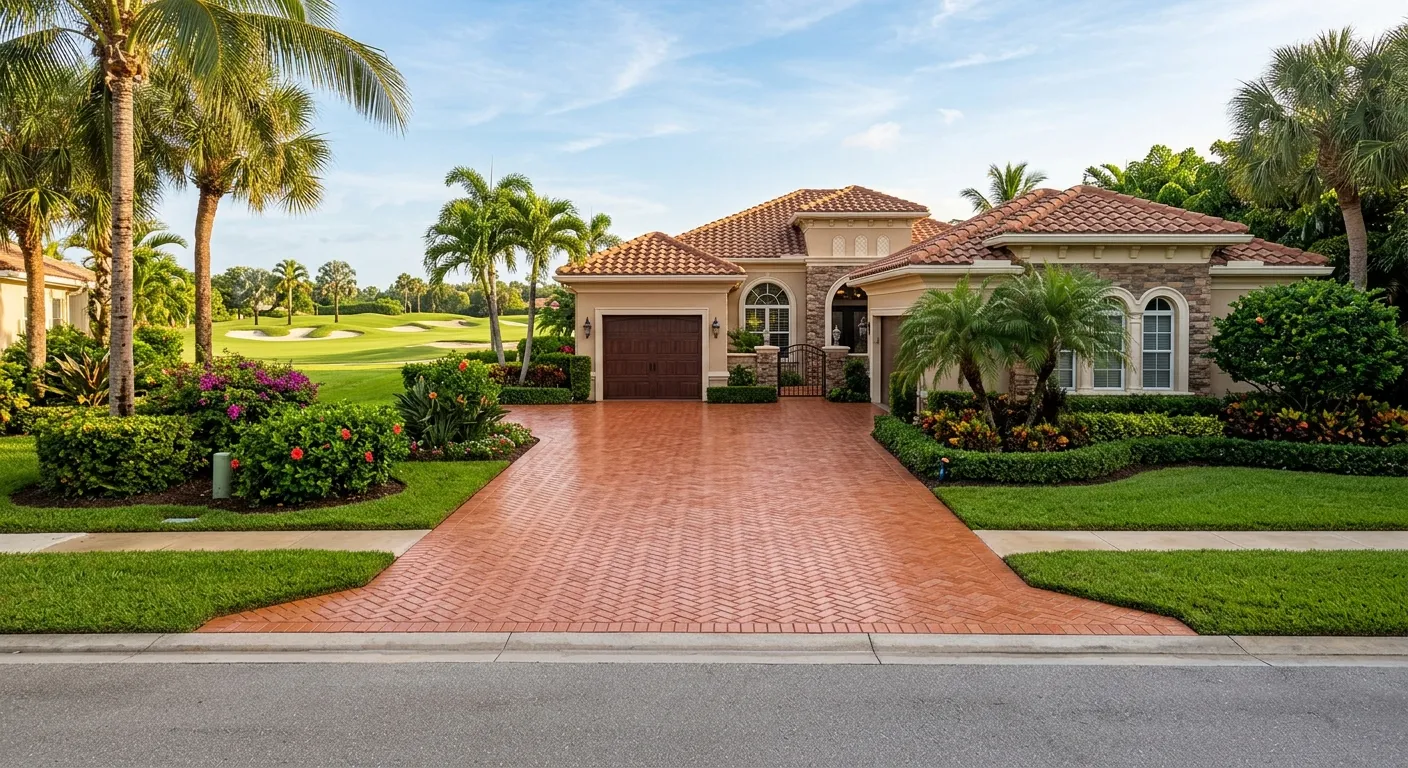
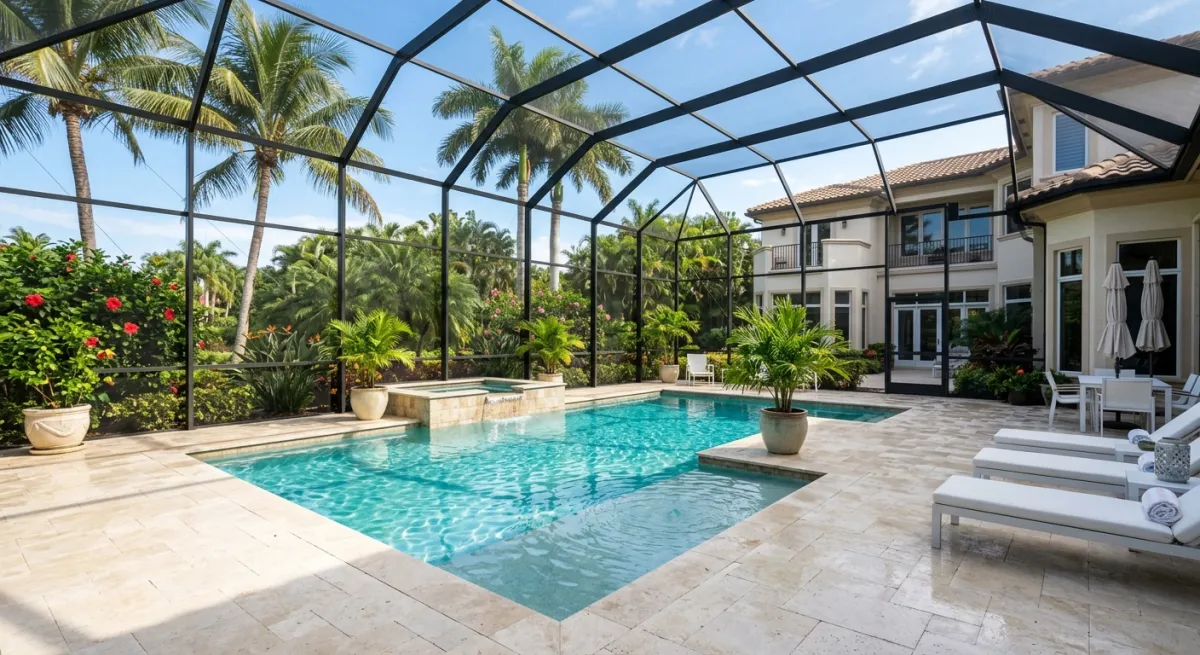
Drive through any neighborhood in Palm Beach Gardens, Jupiter, or West Palm Beach and you'll see it: travertine pavers on driveways, patios, and pool decks. This natural limestone has become the go-to hardscape material in South Florida, and for good reason -- it's beautiful, naturally cool underfoot (a real benefit by the pool in July), and it gives homes that upscale Mediterranean look that fits perfectly with our architecture.
But here's what the installer probably didn't tell you: travertine requires fundamentally different care than concrete pavers, brick pavers, or poured concrete. Treating it the same way can cause permanent damage, discoloration, and costly repairs.
We clean travertine surfaces throughout Palm Beach County every week, and we've seen the damage that improper cleaning causes. This guide covers everything you need to know to keep your travertine looking great for decades.
What Makes Travertine Different
Travertine is a form of natural limestone, which means it has properties that set it apart from manufactured hardscape materials:
It's Acid-Sensitive
This is the single most important thing to understand about travertine. Limestone reacts with acids -- even mild ones. Muriatic acid, vinegar, citrus-based cleaners, and many common "paver cleaners" will etch and permanently damage travertine surfaces.
We've seen homeowners pour muriatic acid on travertine to remove stains -- the same approach that works fine on concrete -- and end up with bleached, rough patches that can't be repaired without replacing pavers. Even some pressure washing companies that don't work with travertine regularly make this mistake.
Any cleaning product you use on travertine should have a neutral pH (around 7) or be specifically formulated for natural stone. When in doubt, test an inconspicuous area first -- or just call a professional.
It's Highly Porous
Travertine has natural voids and pores throughout its structure. That's part of what gives it character, but it also means:
- Liquids absorb quickly. Spills soak in rather than sitting on the surface
- Stains penetrate deeply. Surface cleaning alone may not remove them
- Moisture stays trapped longer. This promotes algae and mold growth in our climate
- Unsealed travertine stains easily. Red wine, rust, leaf tannins, and even pool chemicals can discolor unsealed stone
It's Softer Than Concrete
Travertine rates 3-4 on the Mohs hardness scale, compared to 6-7 for concrete. That means it scratches and wears more easily. High-pressure washing, abrasive cleaning pads, and even dragging heavy furniture across it can cause surface damage.
This doesn't mean travertine is fragile -- it's incredibly durable when cared for properly. But "properly" is the key word.
How to Clean Travertine the Right Way
Routine Maintenance
For regular upkeep between professional cleanings:
1. Sweep or blow debris regularly. Leaves, dirt, and organic matter left sitting on travertine will stain, especially when wet. A weekly sweep or leaf blower pass keeps the worst of it at bay.
2. Rinse with a garden hose. Low-pressure water is perfectly safe for travertine and removes surface dust and pollen. Do this weekly during summer when pollen and organic debris are at their peak.
3. Spot clean spills immediately. Blot (don't rub) liquid spills with a clean cloth, then rinse with water. The faster you address a spill, the less likely it is to stain. This is especially important for acidic substances like citrus juice, wine, or pool chemicals.
4. Use pH-neutral cleaners only. If water alone doesn't handle a stain, use a cleaner specifically labeled for natural stone or travertine. Never use vinegar, bleach, ammonia, or general-purpose household cleaners.
Professional Cleaning
Professional travertine cleaning involves techniques specifically adapted for natural stone:
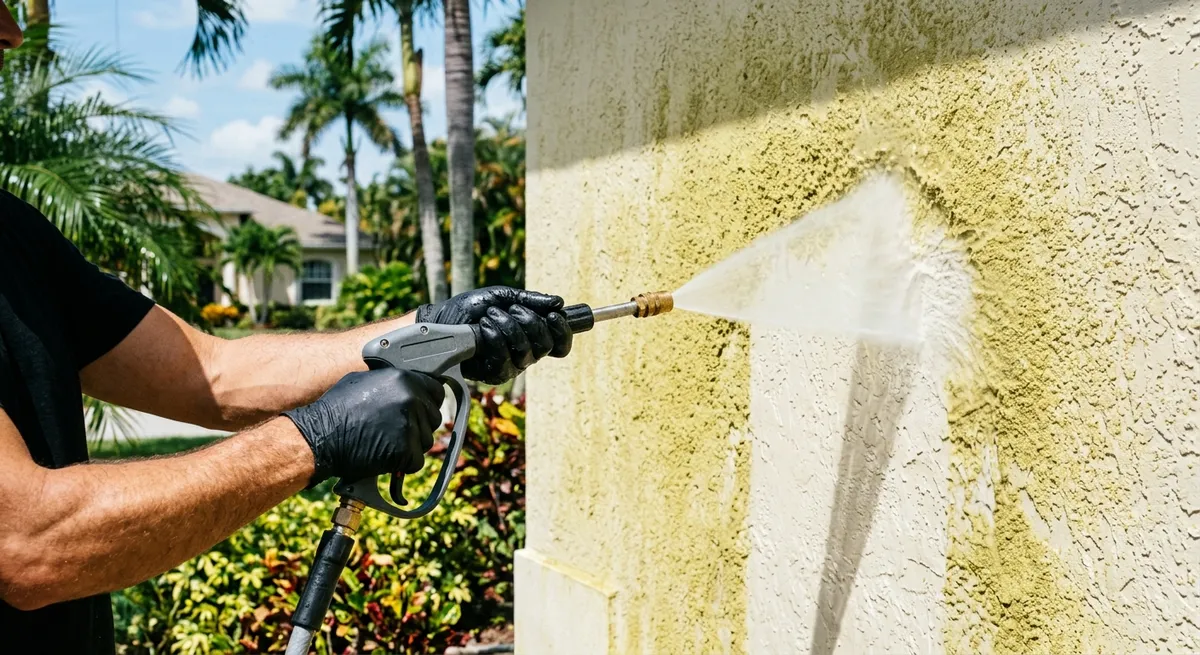
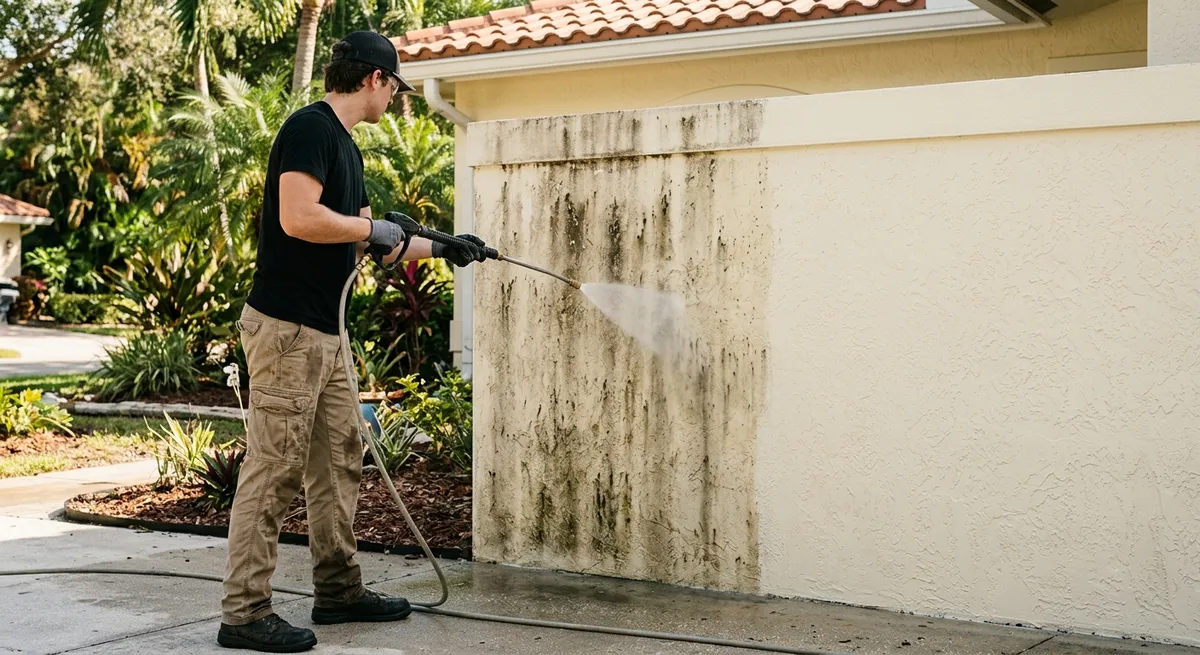
Low-Pressure Washing: We use significantly lower pressure on travertine than on concrete or brick pavers -- typically 500-1,000 PSI compared to the 2,500-3,500 PSI we might use on concrete. This is enough to remove surface contamination without damaging the stone. pH-Neutral Cleaning Solutions: Our travertine-specific cleaning products break down algae, mold, and organic staining without any acid content. These products are formulated to work at low concentrations and rinse clean without leaving residue. Soft Washing for Heavy Contamination: When travertine has significant algae or mold growth -- common on north-facing patios and shaded pool decks in our climate -- we use soft washing techniques. Low-pressure application of biodegradable antimicrobial solutions kills growth at the root without any mechanical damage to the stone. Surface Cleaning Equipment: For large areas like driveways and pool decks, we use surface cleaners with pressure-regulated settings appropriate for natural stone. This provides consistent, even cleaning without the risk of wand marks or uneven pressure.Sealing Travertine: The Critical Step Most Homeowners Skip
If there's one piece of advice in this entire article you take away, it's this: seal your travertine.
Unsealed travertine in South Florida's climate is fighting a losing battle. Between rain, humidity, pool splash, irrigation overspray, and organic debris, unprotected porous stone doesn't stand a chance at staying clean and unstained.
Travertine Sealing vs. Paver Sealing
Sealing travertine is not the same as sealing brick or concrete pavers. The products, application methods, and outcomes are different:
Brick Paver Sealers are often film-forming -- they create a visible coating on the surface that enhances color and creates a wet or glossy look. These products sit on top of the paver surface. Travertine Sealers are typically penetrating (impregnating) sealers that absorb into the stone's pores without changing its appearance. A quality penetrating sealer:- Repels water and oil-based liquids from within the stone
- Allows moisture vapor to escape (the stone can still "breathe")
- Doesn't create a surface film that can peel, flake, or turn white
- Preserves the natural look and texture of the travertine
- Provides UV stability in our intense South Florida sun
When to Seal
New travertine should be sealed after it's had 30-60 days to cure and off-gas. Don't let your installer pressure you into sealing immediately -- fresh travertine needs time for moisture within the stone to equalize.
For existing travertine, the surface must be thoroughly cleaned and completely dry before sealing. We typically recommend scheduling cleaning and sealing with a 24-48 hour gap between them, weather permitting.
How Often to Reseal
In South Florida's climate, penetrating sealers on travertine typically last 2-3 years before they need reapplication. High-traffic areas like pool deck edges and main walkways may need attention sooner.
A simple test: sprinkle water on the surface. If it beads up, the sealer is still working. If it absorbs and darkens the stone, it's time to reseal.
Common Mistakes That Damage Travertine
We see these regularly throughout Palm Beach County:
Using Muriatic Acid
This is the number one mistake. Muriatic acid is commonly used to clean concrete and brick pavers, and some homeowners (and even some contractors) assume it works on travertine too. It dissolves the stone. The damage is immediate and irreversible -- etched, roughened, discolored patches that can only be fixed by replacing individual pavers.
Pressure Washing at High PSI
Standard driveway-cleaning pressure (3,000+ PSI) will erode the surface of travertine, especially the softer filled areas. We've seen pool decks where aggressive pressure washing wore grooves along the mortar lines and roughened the stone surface, making it more porous and harder to keep clean going forward.
Using Chlorine Bleach Directly
While diluted sodium hypochlorite is used in professional soft washing, dumping straight pool chlorine or household bleach on travertine can cause discoloration and degrade the stone over time. Professional-grade cleaning solutions are properly diluted and pH-balanced for safe use on natural stone.
Neglecting Spills
Travertine around a pool area gets exposed to sunscreen, tanning oil, food and drink spills, and pool chemicals. Every one of these can stain if left to absorb. The number one maintenance habit for travertine pool decks is cleaning up spills quickly.
Ignoring Joint Sand
Travertine pavers use joint sand just like brick pavers, and that sand erodes over time from rain and foot traffic. When joint sand drops below the surface level, pavers can shift, weeds establish, and the overall stability of the installation is compromised. Re-sanding should be part of your regular maintenance plan.
Seasonal Care Calendar for Palm Beach County
Here's what we recommend for travertine maintenance in our climate:
Monthly
- Sweep or blow debris from all travertine surfaces
- Inspect for new stains and spot-treat as needed
- Check for weed growth in joints
Quarterly
- Rinse all travertine surfaces thoroughly with a garden hose
- Check joint sand levels and top off if needed
- Inspect for cracked or shifted pavers
Annually (Recommended: Late Fall or Early Spring)
- Professional cleaning with pH-neutral solutions
- Full inspection of sealer condition
- Reseal if water test indicates sealer has worn
- Address any structural issues (shifted pavers, eroded joints)
Every 2-3 Years
- Full professional clean and reseal
- Joint sand replacement as needed
When to Call a Professional
Some travertine issues are beyond DIY maintenance:
- Deep staining that doesn't respond to pH-neutral cleaners
- Widespread algae or mold growth -- this needs professional soft washing, not a scrub brush
- Sealer application -- improper application can leave blotchy, uneven results that are difficult to correct
- Efflorescence (white powdery deposits) -- this indicates moisture issues that need professional assessment
- Cracked or shifted pavers -- these should be addressed before they cause tripping hazards or allow more water infiltration
Keep Your Investment Looking Its Best
Quality travertine hardscaping is a significant investment -- often $15-25 per square foot installed. A large patio and pool deck can easily represent $15,000-30,000 or more. Proper maintenance protects that investment and keeps your outdoor spaces looking beautiful for decades.
Get a free quote from Crouching Tiger Exterior Cleaning for professional travertine cleaning and sealing. We understand the unique requirements of natural stone care and serve homeowners throughout Palm Beach Gardens, Jupiter, West Palm Beach, and all of Palm Beach County.